

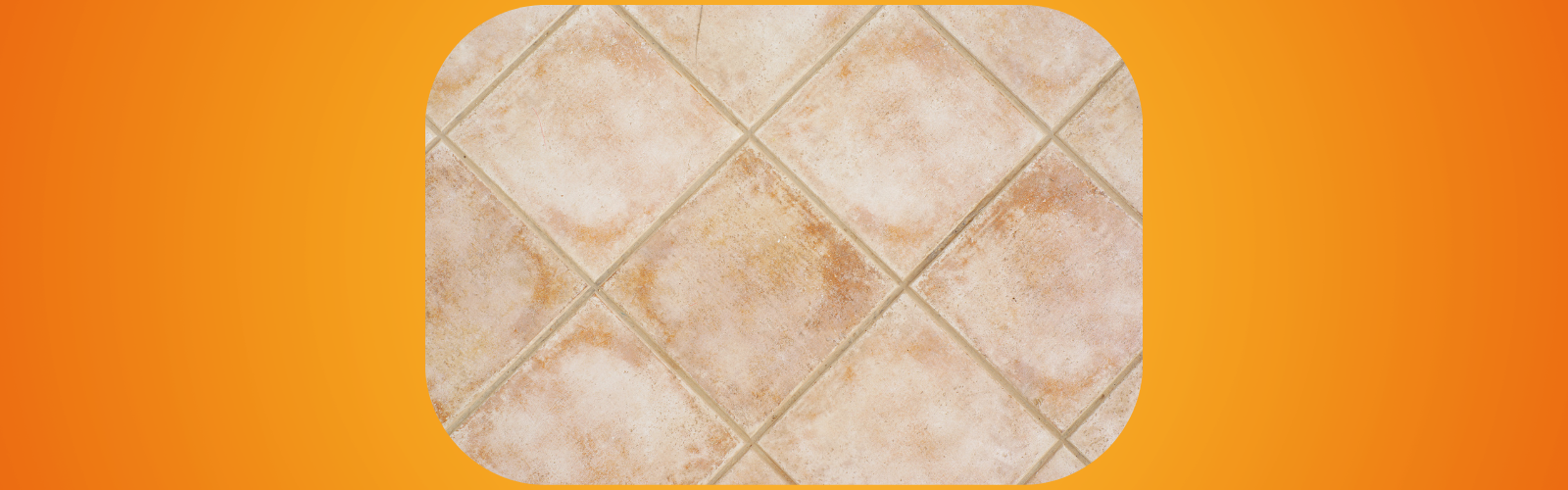
Tiles are one of the easiest surfaces to maintain on the surface level. But look closely at the grout lines between them and the story changes quickly. What starts as a crisp white or grey finish gradually darkens from cooking grease, soap residue, hard water deposits, and foot traffic. No amount of regular mopping reverses this on its own. Getting tiles and grout looking clean again requires a targeted approach with the right tools, but it is far simpler than most people expect.
Why Grout Stains Are So Stubborn
Grout is porous by nature. Unlike the glazed surface of a tile that repels water and dirt, grout absorbs moisture, oil, and grime every time the floor is cleaned or splashed. In Indian kitchens, masala and cooking oil vapour settle into grout lines within days. In bathrooms, soap scum and hard water minerals leave a grey or yellow film that hardens the longer it sits. The deeper these deposits set, the more targeted effort is needed to lift them. A flat mop head does not apply enough pressure into a narrow grout line to dislodge what has built up over weeks.
Removing Stains from Tile Surfaces
For everyday grime and light stains on the tile surface itself, a damp microfiber mop with a mild floor cleaner handles most of it. For tougher stains, particularly cooking oil and haldi marks in the kitchen, you need something with more friction. The Gala Super Scrub combines a high-quality absorption sponge with stainless steel loops to tackle both soft residue and set-in stains without scratching the glazed tile surface. Apply a small amount of diluted dishwashing liquid, scrub in firm circular motions, and rinse clean. For bathroom tiles with soap scum buildup, the Gala Scrub Pad lifts the residue with light pressure and leaves the tile surface clean without damage.
Cleaning Stained Grout Lines
Make a paste of baking soda and water and apply it along the grout lines. Let it sit for five to ten minutes to loosen embedded grime, then scrub along the line using a stiff narrow brush in short, firm strokes. Rinse with warm water and move to the next section. The Gala Brushes range has options suited to this kind of targeted work without being so harsh that they damage the surrounding tile edges.
For bathroom grout with heavy soap and hard water buildup, applying diluted white vinegar before scrubbing adds extra effectiveness. Avoid using vinegar on marble or natural stone tiles as it will etch the surface, but on ceramic and vitrified tiles it is perfectly safe.
Pay extra attention to the grout lines in front of the cooking range, around the bathroom drain, and in floor corners near walls. These spots accumulate the most residue and are often the first to show visible staining.
Finish with a Proper Mop
Once scrubbing is done, mop the entire floor to wash away loosened residue and any cleaning solution left on the surface. The Gala Turbo Spin Mop is ideal for this final step. Its triangular head reaches into corners and along the base of walls, and the Turbo Clean microfiber fibres pick up fine residue that scrubbing has dislodged. The spin mechanism lets you wring the mop thoroughly so the floor dries quickly and does not attract fresh dust while still damp.
How Often Should You Do This
For kitchen grout, a targeted clean every two weeks prevents heavy buildup. For bathroom grout, once a month is enough for most homes. A quick wipe of high-traffic grout areas after cooking and after baths will do more to maintain clean grout than any occasional deep scrub. Consistency is always more effective than catch-up cleaning. Explore the full Gala Cleaning Tools range to find scrubbers, brushes, and mops that work together for a properly clean home.