

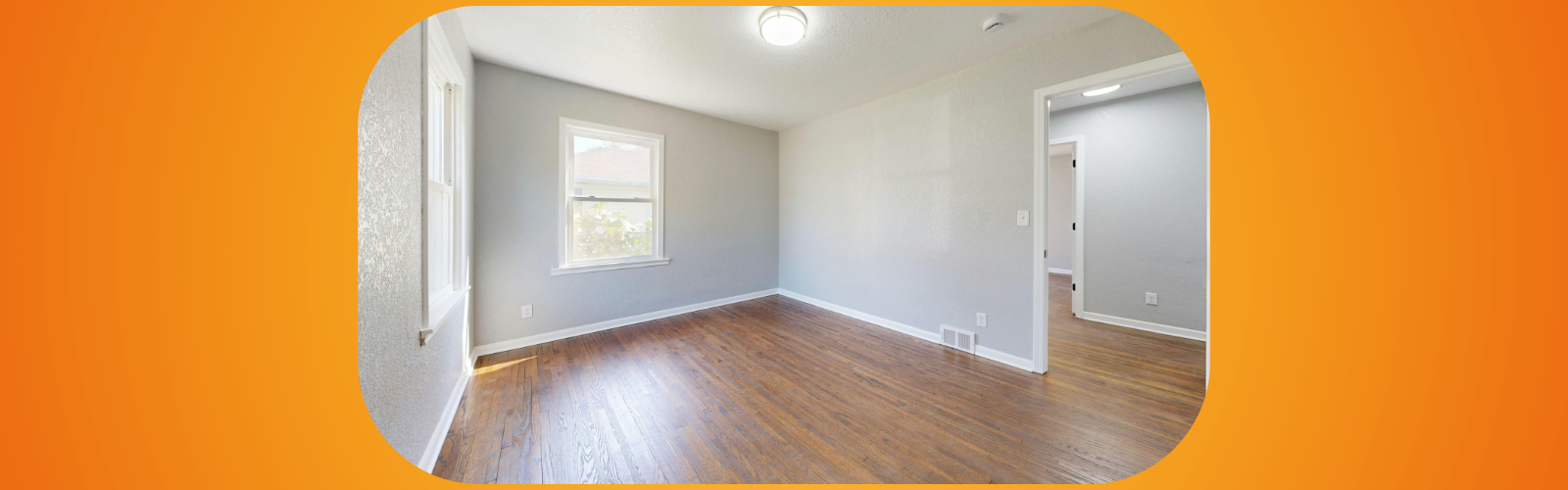
Most Indian homes have more than one type of flooring. Marble in the living room, ceramic tiles in the kitchen and bathrooms, and sometimes wood or laminate in the bedrooms. Each surface reacts very differently to water, cleaning solutions, and scrubbing pressure. Using the same mop and the same method on all of them is one of the most common cleaning mistakes people make, and over time it shows in dull finishes, damaged grout, and warped wood.
Here is a surface-by-surface guide to cleaning every floor type properly.
Marble and Natural Stone Floors
Marble looks hard and durable but is actually softer and more porous than most people realise. Avoid acidic cleaners like vinegar or lemon juice entirely as they etch the surface and dull the finish over time. Always sweep before mopping. Fine grit left on marble gets dragged across by a wet mop and causes micro-scratches that accumulate into a haze. The Gala No Dust Broom with its flagged synthetic bristles picks up fine dust effectively without scattering it.
For mopping, use a lightly damp mop rather than a wet one. The Gala Turbo Spin Mop is ideal here because the spinning mechanism lets you control exactly how much water remains in the mop head. Marble should not be left wet for more than a few minutes.
Ceramic and Vitrified Tiles
Tiles are the most forgiving floor surface in the home. They handle regular mopping and mild cleaning solutions without issue. Sweep first, then mop with a damp microfiber mop. The Gala Easy Twist N Mop Microfibre leaves tiled floors streak-free and is quick to set up for the daily kitchen and bathroom mop that tiles typically need.
The real challenge with tiles is the grout. Grout lines sit lower than the tile surface and absorb dirt, grease, and moisture with every clean. Regular mopping does little for grout. A dedicated brush from the Gala Brushes range used directly on the grout lines every couple of weeks makes a far bigger difference than mopping alone.
Wooden and Laminate Floors
Excess moisture is the biggest threat to wood and laminate. Water that sits on the surface seeps into joints and causes warping and swelling over time. Dry dusting with the Gala No Dust Broom should be the primary cleaning method. When wet cleaning is needed, use a mop wrung out until barely damp and wipe in the direction of the wood grain. The Gala Floor T-Mop gives good control over moisture application and suits wood and laminate well. Never leave standing water on these floors.
Mosaic and Older Stone Floors
Common in older Indian apartments, these floors have a slightly uneven texture that traps fine dust between the patterns. A stiff broom pushes this dust around rather than collecting it. The soft flagged bristles of the Gala No Dust Broom lift particles from the textured surface in a single pass. For mopping, use warm water with a mild floor cleaner and a well-wrung mop. Avoid harsh scrubbing as the finish on mosaic floors can wear away with repeated rough treatment.
A Simple Routine That Works for Every Floor
Sweep before you mop, always. A wet mop on a dusty floor creates a thin layer of grime that is harder to remove than either dust or dirt alone. Work from the far end of the room toward the door, and wring your mop properly so floors dry in minutes rather than staying damp and attracting fresh dust.
With the right tool matched to each floor type, cleaning becomes faster and better for the long-term condition of your floors. Explore the full Gala Cleaning Tools range to build the right kit for every surface in your home.